High Quality Activated Alumina About
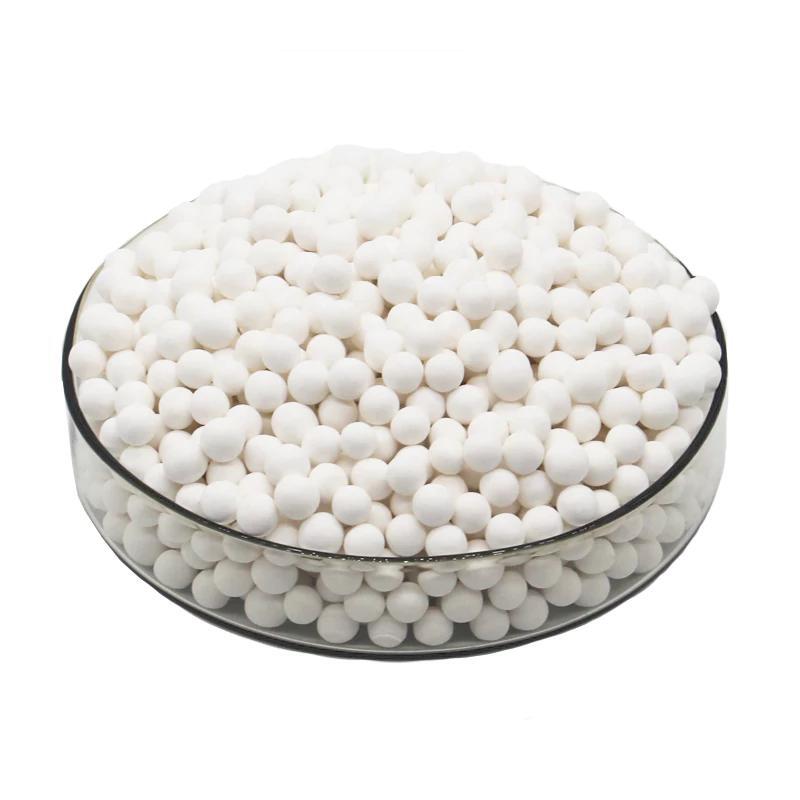
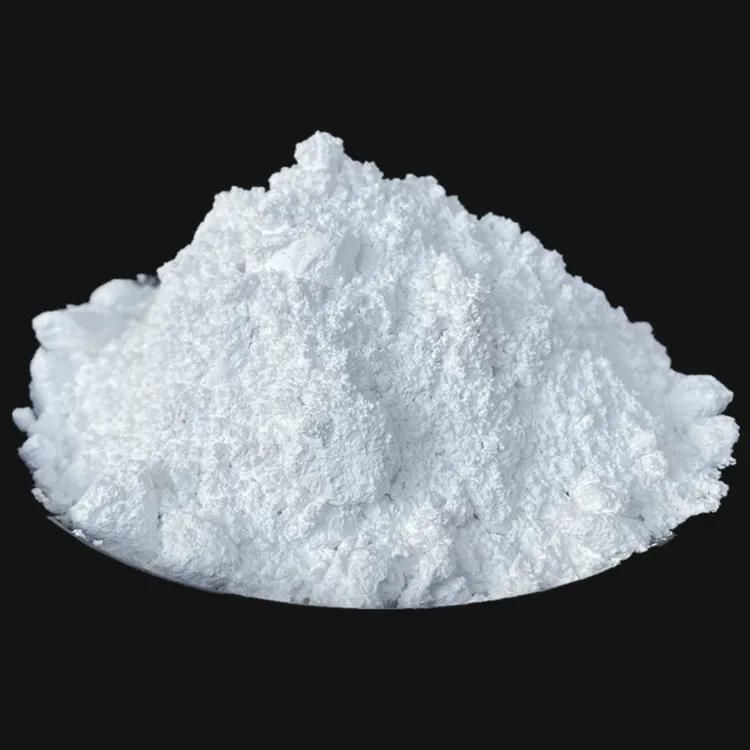
We have emerged as a leading industry player in the domain of manufacturing and exporting of High Quality Activated Alumina. This chemical has a key role in hydrogen generation process, air separation mechanism, fluorine treatment for H2O2 and deep drying of ethylene and propylene. The distinctive features of High Quality Activated Alumina include its high strength, good moisture absorption capacity and high efficiency level. As part of our systematic working procedure, we put stress on proper packaging of offered chemical to safeguard its original quality.
SPECIFICATION
|
Shape / Form
|
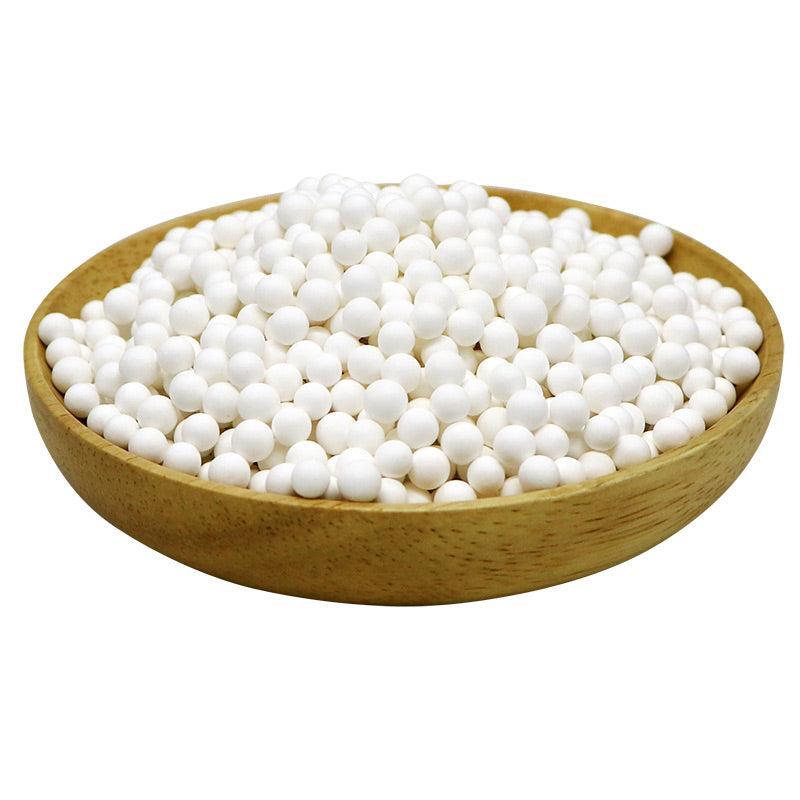
Spherical / Beads / Ball
|
|
Grade
|
4A
|
Superior Adsorption and Drying CapabilitiesActivated Aluminas high surface area and pore volume make it exceptionally effective for removing moisture and impurities. It is widely used as a desiccant in air and gas drying systems, ensuring optimal dehydration and purity. The material is also popular for water purification and as a catalyst carrier in chemical industries, delivering reliable performance in varied environments.
Clean, Safe, and Durable MaterialThis industrial-grade product is non-poisonous, odorless, and tasteless, making it safe for use in demanding industrial settings. Its robust crushing strength and low attrition loss guarantee longevity, while resistance to water and organic solvents enhances durability. Activated Alumina is easy to store and handle, with a recommended shelf life of 24 months when kept in a dry, ventilated area.
FAQs of High Quality Activated Alumina:
Q: How is High Quality Activated Alumina used in water purification processes?
A: Activated Alumina efficiently adsorbs contaminants like fluoride, arsenic, and silica from water. Its high surface area allows rapid removal of impurities, making it ideal for industrial and municipal water treatment applications.
Q: What benefits does the 300 m/g surface area provide for industrial applications?
A: The extensive surface area enhances the products adsorption capability, ensuring effective moisture and impurity removal from gases and liquids. This leads to improved efficiency in drying and purification systems.
Q: When should Activated Alumina be regenerated, and what is the process?
A: Regeneration is recommended after saturation, typically noticed by reduced adsorption efficiency. The process involves heating the alumina, which drives off adsorbed moisture and contaminants, restoring its activity for reuse.
Q: Where should Activated Alumina be stored to maintain its effectiveness?
A: Proper storage is essential; keep it in a dry, ventilated area to prevent premature moisture absorption. This helps maintain its shelf life and optimal adsorptive properties.
Q: What makes this alumina ideal as a catalyst carrier in chemical processing?
A: Its neutral pH, high crush strength, and inert chemical nature provide a stable support for catalysts, while the porous structure facilitates efficient molecular interaction during reactions.
Q: How does attrition loss of 0.1% benefit industrial operation?
A: Low attrition loss ensures the beads retain their original shape and size during use, minimizing dust formation and enhancing operational reliability in continuous processes.







 Send Inquiry

 Send Inquiry
 Send Inquiry
 Send SMS